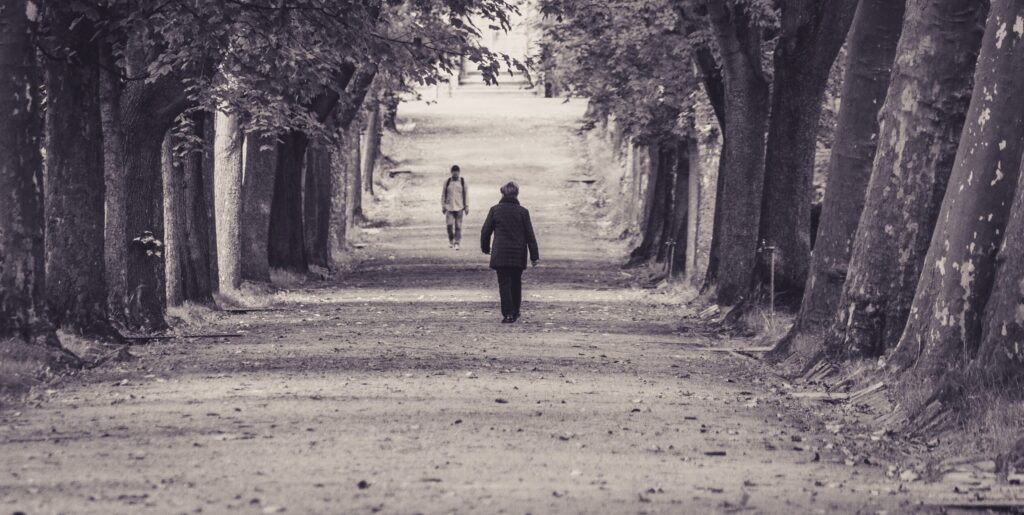
I met a woman recently who lives alone. She is in her 80s: sharp, independent, and used to doing things her own way. She has managed on her own for years.
But she also has some health issues. Recently, her doctor told her not to walk farther than her own block.
She is what we call a solo ager.
What Is a Solo Ager?
A solo ager lives independently and manages their own life. They often have no children nearby, or no children at all. Most importantly, they have no daily support around them.
When I brought up senior living, she shut the idea down right away. She already had a picture in her head. She imagined somewhere institutional, restrictive, and expensive. She had decided it wasn’t for her, and she had decided all of this without ever seeing one.
I want to be honest about something. She is not wrong to want her independence. That instinct deserves respect, not an argument.
But here is what I keep thinking about.
The Gap Nobody Talks About
She has a legal team. She has a financial team. On paper, she is well organized.
What she does not have is anyone who sees her every day. No one who notices when she seems a little off. No one who is simply there in the small moments, or in the just in case.
That is the gap almost nobody talks about with solo agers. It is not about whether they can manage day to day. Many of them manage beautifully. It is about what happens on the day they can’t, and no one is there.
Independence Doesn’t Have to Mean Alone
Living independently in a senior living community is not the loss of independence she imagines. It is often the opposite.
It means having your own place. Your own routine. Your own choices. But with people around who have your back. Someone who notices. Someone who checks in. Someone who is simply there.
There is another thing worth saying. Many people are working from an outdated picture of what senior living looks like and what it costs. Those assumptions are worth examining before they harden into a decision.
How to Help Someone Who Is Aging Alone
If you love someone who is aging alone and refusing to talk about it, I understand how hard that is. Pushing rarely works.
What often helps more is a conversation. Not with family, but with someone outside of it, about what they are actually afraid of losing. Usually it is not the house. It is the sense of being in charge of their own life.
That is a fear worth taking seriously. And it is worth answering honestly.
We help Bay Area families and solo agers think through these questions, with no pressure and no cost. If any of this sounds familiar, we are here.
📞 (415) 416-0511
✉️ info@blueheronseniors.com